Baccarat has long held a reputation as a classic casino card game defined by simple choices and high stakes. While many enthusiasts are familiar with standard casino setups, the game continues to transform through fresh structural rules. These contemporary adjustments breathe new life into gaming sessions by adding strategic depth and tactical freedom.
The Tactical Evolution of Chemin de Fer
Unlike standard formats where the house manages all the risk, Chemin de Fer transforms the game by allowing participants to actively compete against each other. Players take turns acting as the banker, which introduces a distinct layer of decision-making regarding whether to draw additional cards. This version thrives on psychological tactics and social interaction, making it a favorite among experienced strategists.
By shifting the banking responsibility around the table, the game ensures that no two rounds feel identical. This active participation forces individuals to analyze their opponents rather than relying strictly on fixed drawing rules. It represents a fascinating historical variant that continues to appeal to modern tactical minds.
The Accelerated Flow of Mini Baccarat
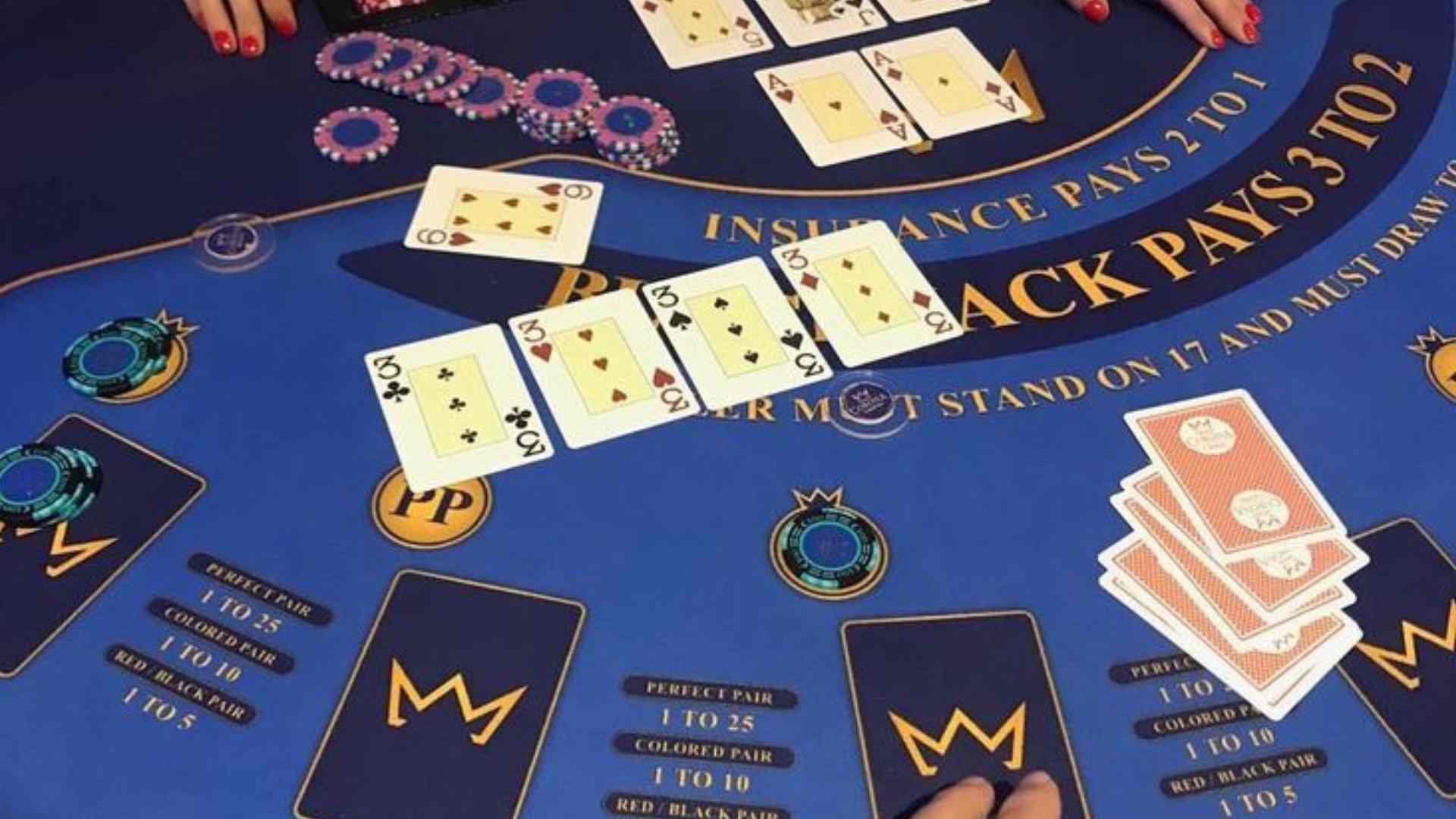
Mini Baccarat scales down the physical environment of the game to deliver maximum efficiency and accessibility. It removes the formal rituals traditionally found in high-limit areas by utilizing a smaller, blackjack-style table layout. The resulting dealing speed allows participants to experience significantly more hands within a short session.
This format is particularly helpful for newcomers who want to understand core probability mechanics without dealing with complex etiquette. For those interested in exploring digital platforms, using a reliable M88 link provides access to various fast-paced options online. The casual atmosphere ensures a stress-free environment for testing patterns and managing bankrolls effectively.
The Auction Mechanics of Baccarat Banque
Baccarat Banque offers another unique twist on traditional setups by introducing a more permanent, competitive banking role. In this sophisticated variation, the position of the banker is put up for auction to the individual willing to risk the largest financial stake. The designated banker then maintains control over the table funds until the entire shoe is completely dealt.
This structure creates an engaging dynamic where other players must collaborate or modify their wagering sizes to challenge the bank. The permanent nature of the fund alters the mathematical momentum of the table, offering a highly dramatic experience. Understanding this classic version gives card players a deeper appreciation for the historical diversity of table games.
Modern Mathematical Twists and Features
Recent innovations on casino floors have introduced rule adjustments that completely eliminate the traditional five percent commission on winning banker wagers. These variations often replace the commission with specific dealer outcomes that result in a push, simplifying payout calculations. This subtle shift alters basic mathematical strategies and provides a fresh perspective for long-term players.
Additionally, modern digital variants frequently incorporate unique side bets that reward specific card combinations or pairs. These optional features provide extra layers of anticipation without changing the core mechanics of the foundational game. The continuous development of these distinct styles ensures that the ancient game remains relevant for future generations.