Entering the gaming industry as a professional table dealer offers a dynamic career path filled with flexible schedules and high earning potential through tips. Finding the right dealer school in your local area is the first step toward mastering the chip handling and math skills required for the casino floor. With the expansion of regional commercial casinos and gaming venues across the country, qualified dealers are constantly in high demand.
Choosing the Right Local Casino Dealing Academy
When searching for a local training center, look for accredited institutions that maintain strong partnerships with regional gaming operators. Quality academies provide hands-on instruction using authentic casino equipment so students gain realistic practice. Attending an established local facility often grants direct access to job placement programs upon graduation.
Prospective students should compare course offerings, flexible scheduling options, and overall tuition costs before enrolling in a program. Programs that offer instruction in multiple games, such as blackjack, roulette, and poker, generally increase your employment prospects. Learning diverse card dynamics from industry experts helps build confidence before facing live players.
Essential Skills and Training Course Mechanics
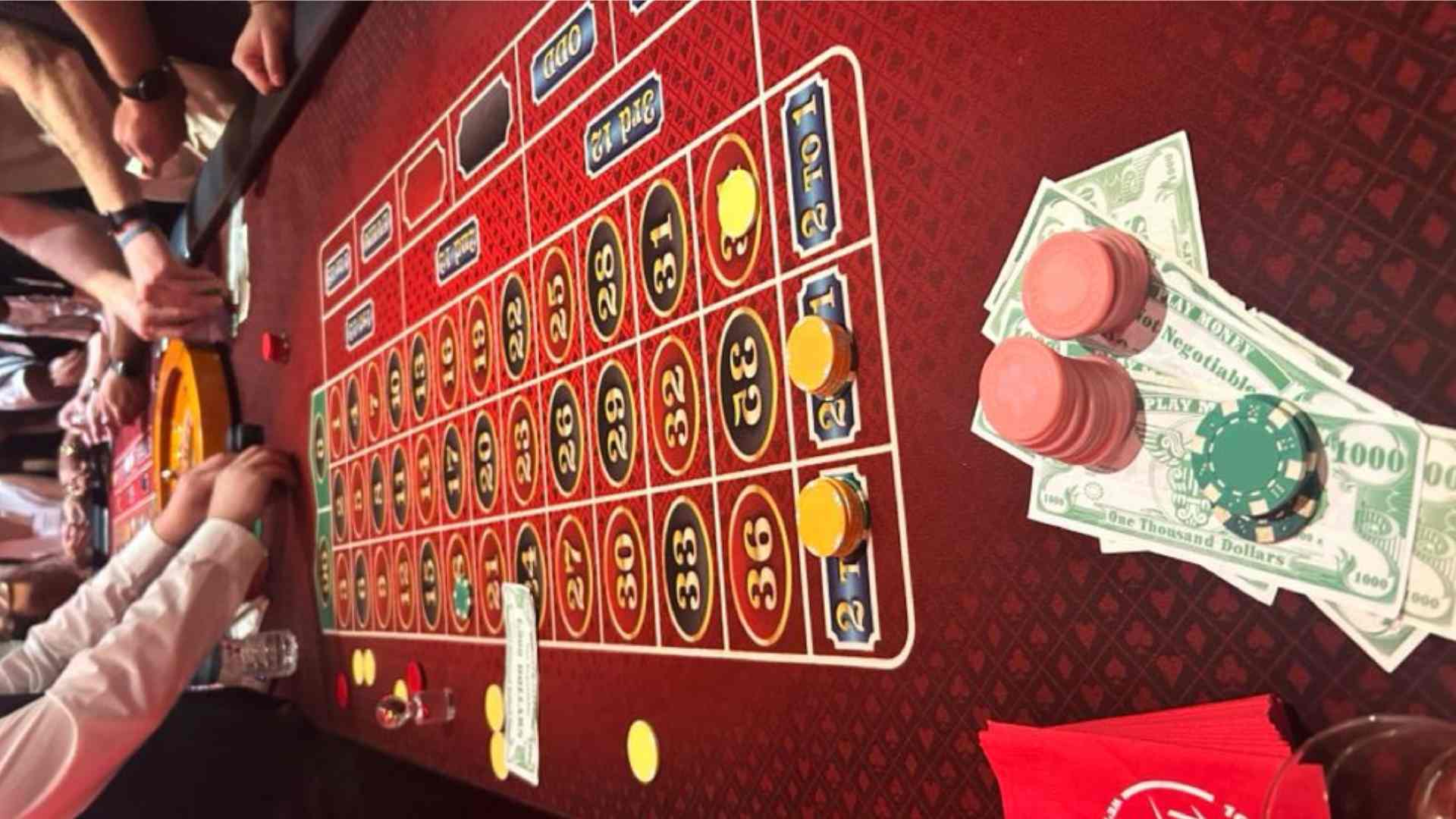
Training programs focus heavily on rapid mental arithmetic, precise chip shuffling, and standard card dealing techniques. Instructors emphasize strict procedural compliance to ensure fair play and prevent security violations on the floor. Mastering these foundational skills requires dedicated hours of physical practice at simulated gaming tables.
In addition to physical dealing mechanics, students learn customer service strategies and conflict resolution methods for busy gaming environments. Understanding platform operations, similar to those studied when evaluating platforms like berita sepak bola terbaru, helps dealers grasp broader gaming standards. Developing a professional composure while managing fast-paced games is essential for career longevity.
Navigating the Hiring Audition and Licensing Process
After completing dealer school, aspiring professionals must pass a live dealing audition with casino hiring managers. Auditions evaluate technical accuracy, speed, chip handling, and overall customer interaction under pressure. Presenting a polished demeanor during the audition is often just as important as flawlessness in card mechanics.
Once an applicant receives a job offer, securing a state gaming license is the mandatory final step before starting work. Licensing involves background checks, financial disclosures, and drug screening to confirm industry eligibility. Once cleared, new dealers can join the floor and begin building their careers.
Career Advancement Opportunities for Professional Dealers
Starting as a floor dealer opens doors to numerous management paths within the hospitality and gaming industries. Experienced dealers often transition into pit boss positions, floor supervisor roles, or gaming compliance inspection. Broadening your expertise across different table games accelerates promotional opportunities within major resort properties.
A dealing career also provides international mobility for those interested in working aboard cruise ships or at global gaming resorts. Maintaining a clean professional record and demonstrating leadership qualities can quickly lead to lucrative supervisory assignments. Continuous skill development ensures long-term success in this fast-growing service sector.