Baccarat has long been considered one of the most prestigious card games on the casino floor, deeply influenced by the regional traditions and player preferences that surround it. As the game migrated across different continents, various cultures adapted its pacing, table structures, and social rituals to align with local entertainment values. Understanding how these distinct environments shape gameplay helps enthusiasts appreciate the unexpected variety found within this classic framework.
The European Legacy and High Stakes Rituals
In traditional European gaming salons, baccarat emerged as an exclusive pastime reserved for the aristocracy and high-rolling elite. Variants like Chemin de Fer heavily emphasized active player involvement, allowing participants to take turns acting as the banker and making tactical drawing choices. This format cultivated a highly social, slow-paced atmosphere where community decorum and personal prestige dictated the momentum of the table.
The physical design of these classic salons reinforced a sense of separation from the broader casino floor, utilizing velvet ropes and private lounges. Players took their time handling the cards, turning each round into an elaborate ceremony rather than a swift transaction. Consequently, European baccarat culture remains deeply tied to historical heritage, focusing on prestige and deliberate, interactive decision-making over rapid turnover.
The Asian Shift Toward Speed and Ritualism
When baccarat arrived in major Asian gaming hubs like Macau, the underlying culture transformed the game into a high-octane spectacle driven by volume and meticulous trend tracking. Players in these regions often prefer standard, automated rules where the house retains permanent banking responsibilities to eliminate administrative delays. This structural preference allows for a much faster pace, accommodating hundreds of hands within a single gaming session.
Despite the accelerated tempo, regional tables feature unique rituals such as squeezing the cards to slowly reveal the values before they are placed face-up. Enthusiasts also rely heavily on complex scoreboard displays known as roads to analyze previous outcomes and predict future streaks. Just as modern online communities analyze gaming trends on platforms like boss domino, baccarat players use these visual grids to make informed choices.
The Western Mass Market and Streamlined Formats
In North American markets, casinos looked for ways to strip away the intimidating aura of traditional baccarat to make it accessible to a wider demographic. This commercial objective led to the widespread adoption of Punto Banco, a streamlined variant where the house handles all operations automatically. By removing the requirement for players to finance the bank or make card drawing decisions, the game became a purely automated test of luck.
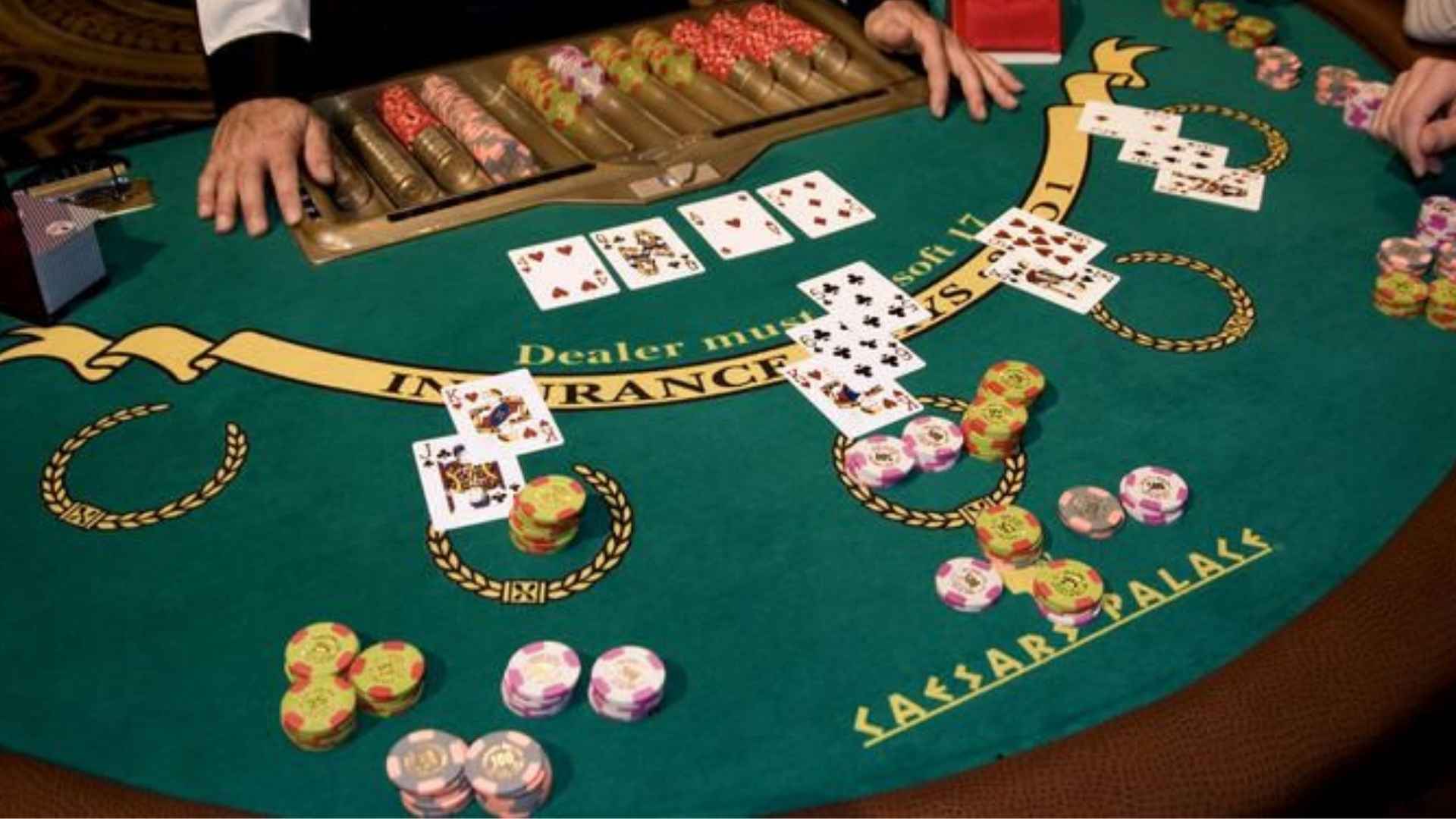
To optimize floor space and attract casual participants, operators further modified the format by introducing Mini Baccarat. This version uses smaller tables placed alongside standard blackjack setups, significantly lowering the minimum betting limits while accelerating the dealer's workflow. The resulting layout appeals to modern casino-goers who prioritize fast results, straightforward mechanics, and low-barrier entertainment options.